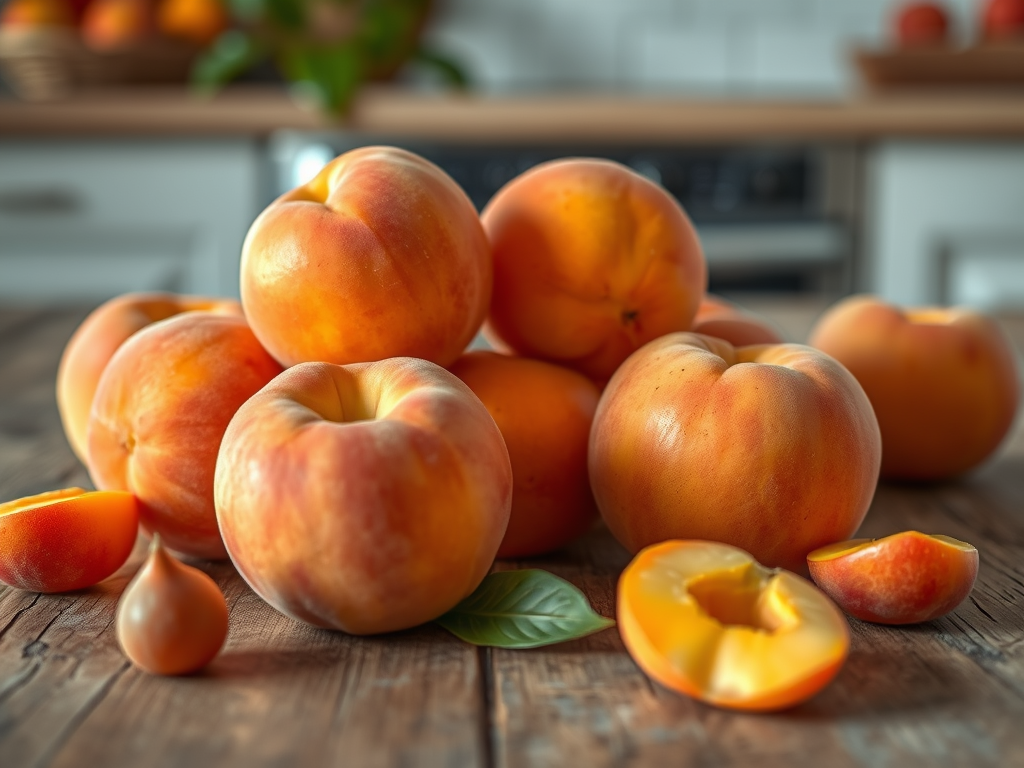
Apricots are not just delicious—they’re packed with nutrients that offer a range of health benefits:
- Rich in Antioxidants: Apricots contain beta-carotene, lutein, and vitamins A, C, and E, which help combat oxidative stress and protect against chronic diseases like cancer and heart disease.
- Supports Eye Health: Vitamin A and beta-carotene in Apricots promote good vision and may reduce the risk of cataracts and age-related macular degeneration.
- Boosts Skin Health: Apricots’ antioxidants and vitamins help maintain healthy, glowing skin.
- Improves Digestion: High fiber content aids in digestion and supports gut health
- Protects the Liver: Some studies suggest apricots may help prevent liver damage and support liver regeneration. Apricots are packed with essential nutrients that contribute to their health benefits.
- Here are some of the key nutrients:
- Vitamin A: Supports eye health and boosts the immune system.
- Vitamin C: Acts as an antioxidant and promotes skin health.
- Vitamin E: Protects cells from oxidative damage.
- Beta-Carotene: Converts to vitamin A in the body and helps maintain healthy skin and vision.
- Potassium regulates blood pressure and supports muscle function.
- Fiber: Aids digestion and promotes gut health.
- Iron: Important for oxygen transport in the blood.
- Magnesium supports muscle and nerve function.
- Apricots are low in calories and fat, making them
They’re versatile and can be enjoyed fresh, dried, or in recipes.
“Apricots are full of antioxidants, which help stave off chronic diseases like cancer and heart disease,” says registered dietitian Beth Czerwony, RD, LD. “They also have nutrients that boost your eye, skin, and gut health.” Read more: Clevelandclinic.org
What are some easy recipes that include apricots? Apricots are incredibly versatile and can be used in sweet and savory dishes. Here are some easy recipes to try:
- Apricot Cake: A simple and flavorful cake topped with fresh apricots. It’s perfect for summer entertaining.
- Apricot Jam: Make a thick, chunky Apricot jam with minimal sugar for a delightful spread.
- Apricot Chicken: Combine apricot preserves, onion soup mix, Dijon mustard, and salad dressing for a flavorful chicken dish.
- Apricot Cobbler: A nostalgic dessert with a flaky crust and juicy apricot filling.
- Apricot Smoothie: Blend apricots with strawberries, pineapple, flaxseed, and coconut water for a refreshing drink.
These recipes are easy to prepare and showcase the sweet-tart flavor of apricots.
Overall, apricots are nutrient-dense and particularly strong in vitamins A and C, making them a healthy choice among fruits. Which aspect of their nutrition interests you most?
Precautions to consider when consuming Apricots:
- Pregnancy and Breastfeeding: While apricots are safe in food amounts, there isn’t enough reliable information about their safety in medicinal amounts during pregnancy or breastfeeding. It’s best to stick to moderate consumption.
- Digestive Issues: Eating too many apricots can lead to digestive discomfort, including nausea, diarrhea, or stomach pain.
- Allergic Reactions: Some individuals may be allergic to apricots, it’s important to watch for any adverse reactions.
- Apricot Kernels: The kernels inside apricots contain amygdalin, which can release cyanide when ingested. Consuming large amounts of apricot kernels can be toxic.
- Medication Interactions: Apricots may interact with certain medications, so consult a healthcare provider if you’re on medication.
As with any food, moderation is key. If you have specific health concerns, it’s always a good idea to consult a healthcare professional.
 EJADA
EJADA 
Leave a comment