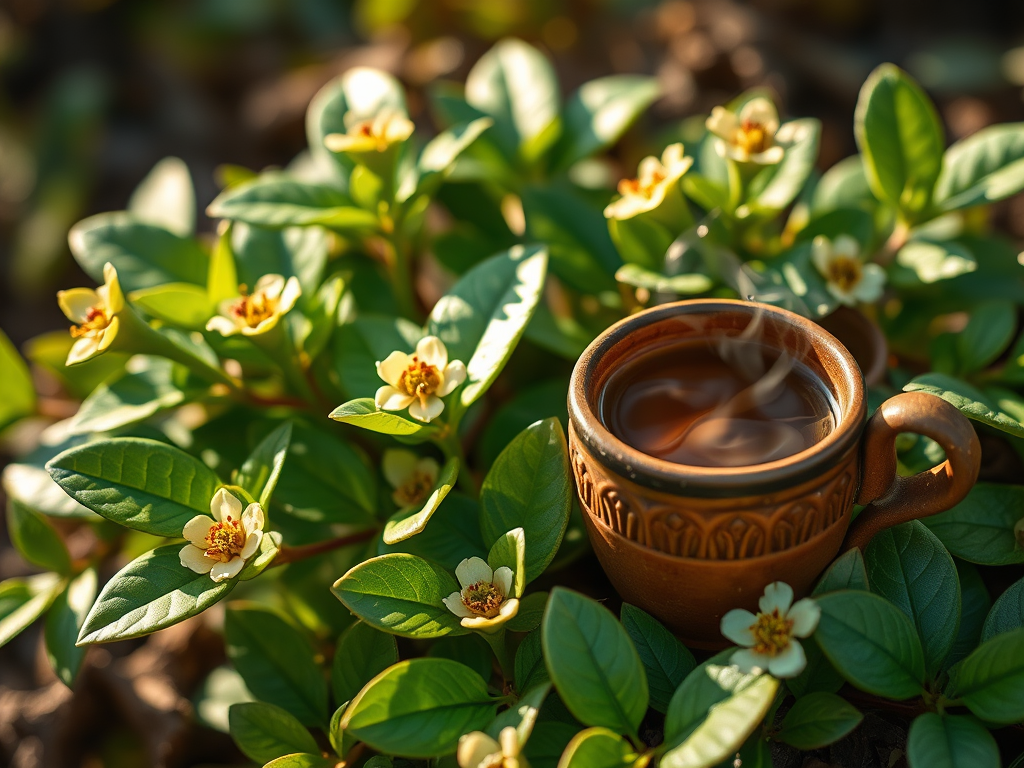
Yerba Santa, also known as Eriodictyon californicum, is a plant native to the southwestern United States and northern Mexico. It has a long history of traditional use by indigenous peoples for its medicinal properties. But when exactly was Yerba Santa first used for health benefits?
Ancient Roots
The use of Yerba Santa for its health benefits dates back centuries. Native American tribes such as the Chumash, Costanoan, and Luiseno have a rich tradition of using this plant for various medicinal purposes. It was often brewed as a tea or used topically as a poultice to treat respiratory conditions, such as coughs and colds.
Spanish Influence
During the Spanish colonization of the Americas, Yerba Santa caught the attention of European settlers who recognized its therapeutic potential. Spanish missionaries and settlers learned about the plant’s healing properties from the indigenous peoples and began incorporating it into their own traditional medicine practices.
19th Century Recognition
Yerba Santa gained further recognition in the 19th century when it was introduced to Western herbal medicine. The plant’s expectorant and decongestant properties made it a popular remedy for respiratory ailments, such as bronchitis and asthma. It was often included in cough syrups and herbal teas.Respiratory Health
One of the primary traditional uses of Yerba Santa is for respiratory health. The leaves of the plant contain compounds that are believed to help with conditions such as coughs, colds, and asthma. Yerba Santa is often used in herbal remedies to support the respiratory system.
Expectorant Properties
Yerba Santa is known for its expectorant properties, which can help to loosen and expel mucus from the respiratory tract. This makes it a popular choice for addressing congestion and promoting healthy breathing.
Anti-inflammatory Effects
Studies have shown that Yerba Santa possesses anti-inflammatory properties, which may help to reduce inflammation in the body. This makes it potentially beneficial for conditions such as arthritis and other inflammatory disorders.
Antioxidant Benefits
Yerba Santa is rich in antioxidants, which are compounds that help to protect the body from damage caused by free radicals. Antioxidants play a key role in overall health and may help to reduce the risk of chronic diseases.
Topical Applications
In addition to its internal uses, Yerba Santa can also be used topically. The leaves of the plant can be made into a poultice or infused into oils for use on the skin. This can help to so
Modern Research
In recent years, scientific research has started to catch up with the traditional uses of Yerba Santa. Studies have shown that the plant contains compounds with anti-inflammatory, antioxidant, and antimicrobial properties. These findings support its potential use in modern medicine for conditions such as respiratory infections and inflammatory disorders.
Overall, the history of Yerba Santa’s use for health benefits is deeply rooted in indigenous traditions and has evolved over time through cultural exchange and scientific exploration. Whether brewed as a tea or incorporated into herbal remedies, this versatile plant continues to offer valuable contributions to natural medicine.
Yerba Santa – Uses, Side Effects, and More WEB MD
 EJADA
EJADA 
Leave a comment