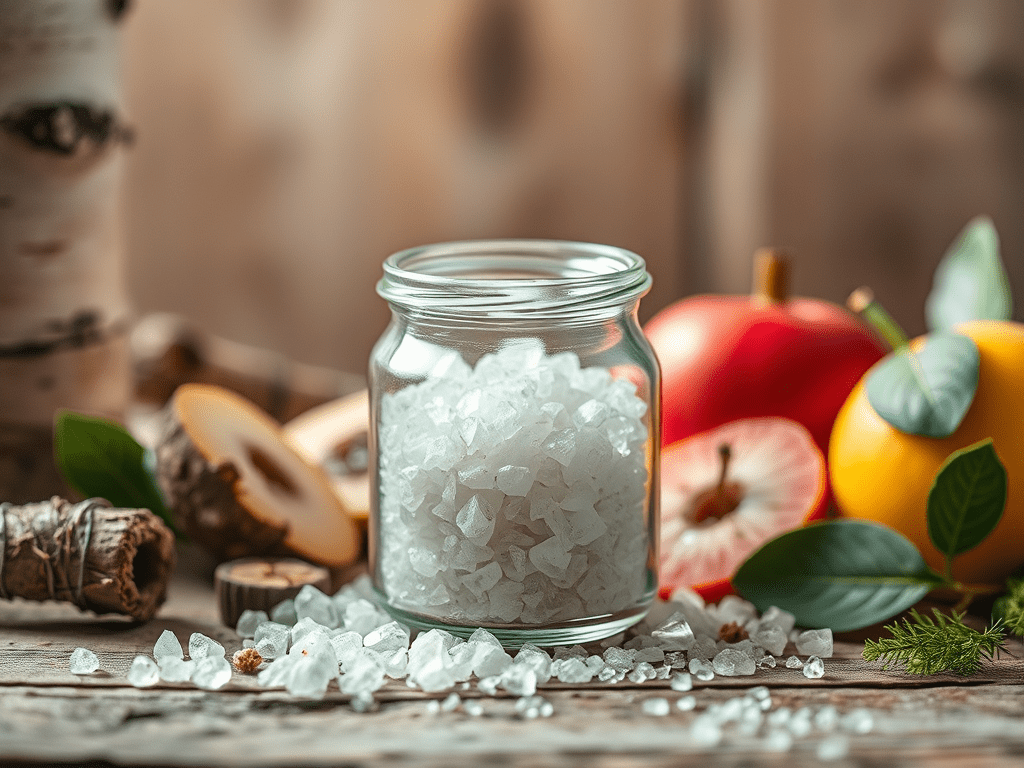
Have you ever wondered about the origins of Xylia? Let’s delve into the history of this fascinating substance and explore when it was first used.
What is Xylia?
Xylia is a natural sugar alcohol that is commonly used as a sweetener in various food products. It is often derived from hardwood trees or extracted from fruits and vegetables. Xylia is known for its sweetness and low calorie content, making it a popular alternative to traditional sugar.
When was Xylia First Used?
The use of Xylia dates back to the late 19th century when it was first discovered by German chemist Emil Fischer. Fischer identified Xylia as a compound that could be used as a sugar substitute due to its sweet taste and low glycemic index. Since then, Xylia has been used in a wide range of products, including sugar-free gum, candies, and baked goods.
Benefits of Xylia
One of the main benefits of Xylia is its low impact on blood sugar levels, making it a suitable option for individuals with diabetes or those looking to reduce their sugar intake. Additionally, Xylia is known for its dental benefits, as it does not contribute to tooth decay like traditional sugar.Are you curious about the benefits of Xylia? Look no further! Here are the top 5 benefits of incorporating Xylia into your routine:
1. Natural Sweetness
Xylia is a natural sweetener derived from plants like birch trees and corn cobs. It provides a sweet taste without the negative effects of sugar, making it a great alternative for those looking to reduce their sugar intake.
2. Low Calorie Content
One of the key benefits of Xylia is its low calorie content. With only 40% of the calories of sugar, Xylia can be a helpful option for individuals looking to manage their weight or reduce their calorie intake.
3. Dental Health
Unlike sugar, Xylia does not promote tooth decay or cavities. This makes it a tooth-friendly sweetener that can help maintain good oral health while still satisfying your sweet tooth.
4. Blood Sugar Regulation
Xylia has a minimal impact on blood sugar levels, making it a suitable option for individuals with diabetes or those looking to manage their blood sugar levels. It has a low glycemic index, which means it does not cause spikes in blood sugar.
5. Digestive Health
For individuals with digestive sensitivities, Xylia can be a gentle alternative to sugar. It is known for its low fermentable oligosaccharides, disaccharides, monosaccharides, and polyols (FODMAPs) content, making it easier on the digestive system.
With these benefits in mind, it’s clear that Xylia can be a valuable addition to a healthy lifestyle. Whether you’re looking to cut back on sugar, manage your weight, or support your dental and digestive health, Xylia offers a natural and versatile sweetening option.
Furthermore, Xylia has been shown to have prebiotic effects, promoting the growth of beneficial bacteria in the gut. This can help improve digestive health and overall well-being.
Applications of Xylia
Due to its sweet taste and unique properties, Xylia is used in a variety of products, including sugar-free beverages, protein bars, and diabetic-friendly foods. It is also commonly used in oral care products such as toothpaste and mouthwash.
As consumer demand for healthier alternatives to sugar continues to rise, the popularity of Xylia is expected to grow, with more food and beverage manufacturers incorporating it into their products.
Conclusion
In conclusion, Xylia is a versatile and beneficial ingredient that has a long history dating back to the late 19th century. Its sweet taste, low calorie content, and health benefits make it a popular choice for individuals looking to reduce their sugar intake. As research into the health effects of Xylia continues, we can expect to see even more innovative uses for this natural sweetener in the future.
READ MORE: Xylia evansii is widely used in traditional medicine to stop bleeding gums and treat wounds. This study was undertaken to assess the wound healing activity and toxicity profile of the stem bark methanol extract of X. evansii (XES). NIH
 EJADA
EJADA 
Leave a comment