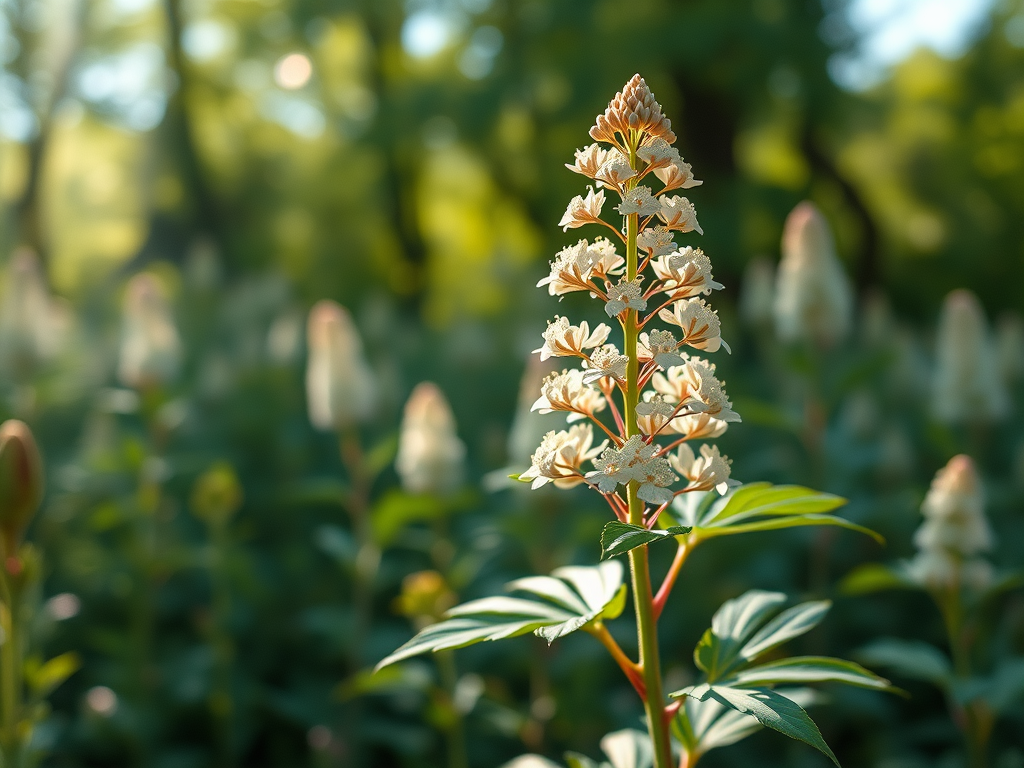
Wild Angelica, also known as Angelica sylvestris, is a captivating plant species that can be found in various regions around the world. This herbaceous perennial is a member of the Apiaceae family and is known for its unique characteristics and uses.
What are the Physical Characteristics of Wild Angelica?
Wild Angelica typically grows to a height of 1 to 2 meters, with hollow stems that are often tinged with purple. The plant features large, divided leaves that give it a distinct appearance. Its flowers are small and white, arranged in umbrella-shaped clusters that attract pollinators such as bees and butterflies.
Where can Wild Angelica be Found?
Wild Angelica is native to Europe and Asia, where it can be found in damp meadows, woodland edges, and along riverbanks. It thrives in moist, fertile soil and is often spotted in areas with partial shade. This versatile plant has also been introduced to other regions and can now be found in North America and other parts of the world.
What are the Traditional Uses of Wild Angelica?
Throughout history, Wild Angelica has been valued for its medicinal properties. The plant has been used in traditional herbal medicine to treat a variety of ailments, including digestive issues, respiratory problems, and skin conditions. Wild Angelica is also known for its culinary uses, with the stems and seeds being used to flavor dishes and beverages.Rich in Antioxidants
Wild Angelica is packed with antioxidants, which help protect the body from damage caused by harmful molecules known as free radicals. Antioxidants play a crucial role in reducing inflammation and lowering the risk of chronic diseases.
Supports Digestive Health
This herb has been traditionally used to support digestive health. Wild Angelica can help alleviate symptoms of indigestion, bloating, and gas. It may also promote the growth of beneficial gut bacteria, improving overall digestive function.
Anti-Inflammatory Properties
Wild Angelica contains compounds that exhibit anti-inflammatory properties. These properties can help reduce inflammation in the body, which is linked to various health conditions such as arthritis, heart disease, and certain types of cancer.
Boosts Immune System
Regular consumption of Wild Angelica may help boost the immune system. The herb contains vitamins and minerals that support immune function, helping the body defend against infections and illnesses.
Improves Respiratory Health
Wild Angelica has been used to improve respiratory health and treat conditions such as coughs, colds, and bronchitis. The herb’s expectorant properties can help loosen mucus and make it easier to clear the airways.
Regulates Menstrual Cycle
For women, Wild Angelica may help regulate the menstrual cycle and alleviate symptoms of premenstrual syndrome (PMS). The herb’s hormonal balancing effects can help reduce cramps, bloating, and mood swings associated with menstruation.
With its impressive array of health benefits, Wild Angelica is a versatile herb that can be incorporated into your wellness routine. Whether consumed as a tea, supplement, or added to recipes, this herb has the potential to support your overall health and well-being.
How is Wild Angelica Cultivated?
Wild Angelica can be cultivated in home gardens or on a larger scale for commercial purposes. The plant prefers moist, well-drained soil and partial shade. It can be propagated from seeds or by dividing established plants. Wild Angelica is a hardy species that requires minimal maintenance once established.
What are the Environmental Benefits of Wild Angelica?
Wild Angelica plays a vital role in its ecosystem, providing food and habitat for various insects and wildlife. The plant’s deep roots help prevent soil erosion and improve soil structure. Wild Angelica also attracts pollinators, contributing to biodiversity and ecosystem health.
Overall, Wild Angelica is a fascinating plant with a rich history and a wide range of uses. Whether you are interested in herbal medicine, gardening, or conservation, this versatile species is sure to capture your interest and imagination.
READ MORE:
The flavour works in sweet and savoury food, young leaves are nice as a leafy green and the stems can be stewed like rhubarb. The aromatic roots have a really interesting flavour but can be a little tough. The seeds can be dried and ground and used as a spice,
 EJADA
EJADA 
Leave a comment