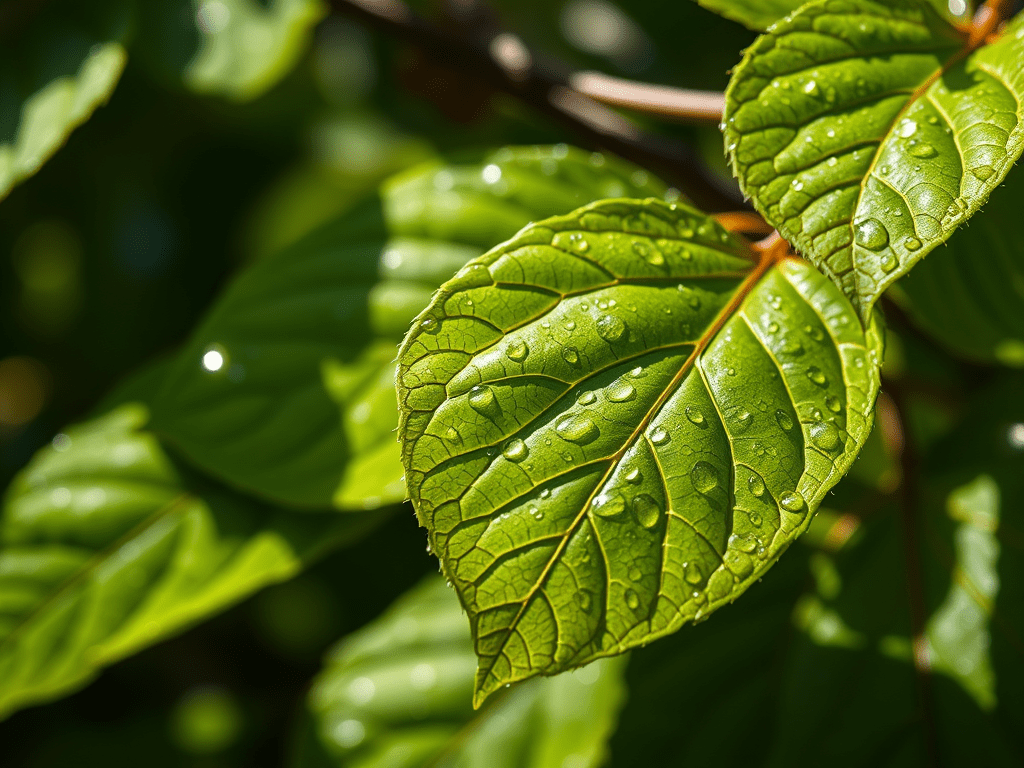
Walnut leaves, often overshadowed by the popular nuts they produce, are actually packed with health benefits that many people are unaware of. Let’s dive into the science-backed advantages of incorporating walnut leaf into your wellness routine.
What Nutrients are in Walnut Leaves?
Walnut leaves are rich in polyphenols, tannins, and flavonoids, which are powerful antioxidants known for their anti-inflammatory properties. These compounds help protect the body from oxidative stress and reduce the risk of chronic diseases.
How Do Walnut Leaves Support Digestive Health?
Studies have shown that walnut leaves can aid in digestion by promoting the growth of beneficial gut bacteria. This can lead to improved gut health, better nutrient absorption, and a stronger immune system. Additionally, the tannins in walnut leaves have astringent properties that can help alleviate digestive issues like bloating and gas.
Can Walnut Leaves Help Manage Blood Sugar Levels?
Research suggests that walnut leaves may have a positive impact on blood sugar control. The compounds found in walnut leaves can help regulate glucose metabolism and insulin sensitivity, making them a potential ally in managing diabetes or preventing blood sugar spikes.
Are Walnut Leaves Good for Heart Health?
Walnut leaves contain compounds that support cardiovascular health, such as reducing inflammation, lowering cholesterol levels, and improving blood vessel function. By including walnut leaves in your diet, you may help reduce the risk of heart disease and improve overall heart health.
How to Incorporate Walnut Leaves into Your Routine
There are various ways to enjoy the benefits of walnut leaves, including brewing them into a tea, adding them to salads, or using them as a natural remedy for skin conditions. It’s important to source organic walnut leaves and consult with a healthcare provider before using them for medicinal purposes.
In conclusion, walnut leaves are not just a byproduct of walnut trees—they are a valuable resource for promoting health and well-being. By harnessing the power of walnut leaves, you can take proactive steps towards improving your overall health and vitality.
Plants are a valuable source of a wide range of secondary metabolites, which are used as pharmaceuticals, agrochemicals, flavors, fragrances, colors, and biopesticides. Since ancient times, walnut is used to treat various diseases and disorders. (READ MORE National Library of Medicine)
 EJADA
EJADA 
Leave a comment