LIVING HEALTHY
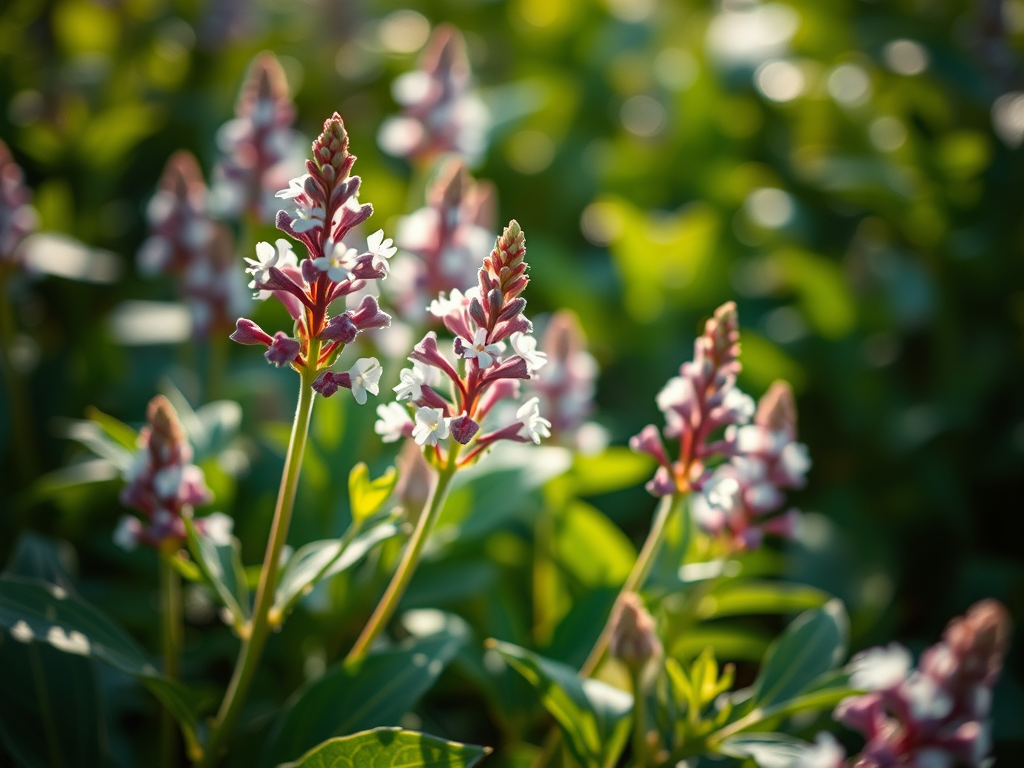
Valerian, also known as Valeriana officinalis, is a perennial flowering plant that has been used for centuries as a natural remedy for various ailments. But what exactly is Valerian and how does it work?
What is Valerian?
Valerian is a herb native to Europe and Asia, with a long history of use in traditional medicine. The root of the Valerian plant is the most commonly used part for its medicinal properties. It contains a number of compounds, including valerenic acid and valerenol, that are believed to have sedative and anxiolytic effects.
How Does Valerian Work?
Valerian is thought to work by increasing the levels of gamma-aminobutyric acid (GABA) in the brain. GABA is a neurotransmitter that helps regulate nerve cells and has a calming effect on the central nervous system. By increasing GABA levels, Valerian may help reduce anxiety and improve sleep quality.
Benefits of Valerian
Research has shown that Valerian may be effective in treating insomnia, anxiety, and restlessness. In fact, a meta-analysis of 16 studies found that Valerian significantly improved sleep quality and reduced the time it took to fall asleep. It is often used as a natural alternative to prescription sleep medications due to its mild sedative effects.
Potential Side Effects
While Valerian is generally considered safe for most people when taken at recommended doses, it may cause side effects in some individuals. Common side effects include headaches, dizziness, and gastrointestinal disturbances. It is important to consult with a healthcare provider before using Valerian, especially if you are pregnant, nursing, or taking other medications.
Conclusion
Valerian is a natural remedy with a long history of use for promoting relaxation and improving sleep. Its sedative properties are believed to be due to its ability to increase GABA levels in the brain. While more research is needed to fully understand the mechanisms of action of Valerian, it remains a popular choice for those seeking a natural approach to managing anxiety and sleep disorders.Generate againKeep
 EJADA
EJADA 
Leave a comment