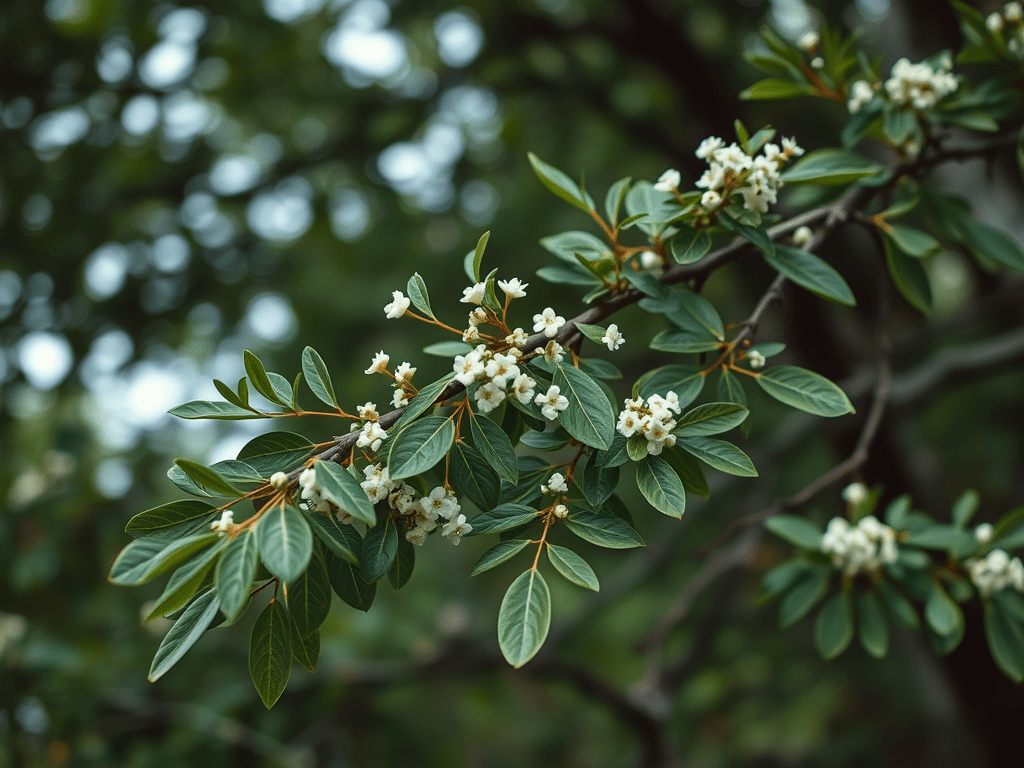
Varuna, scientifically known as Crataeva nurvala, is a plant native to India and commonly used in Ayurvedic medicine. But is Varuna truly an herb?
Botanical Classification
Varuna belongs to the Capparaceae family and is a deciduous tree that can grow up to 10 meters in height. Its leaves are simple, oblong, and clustered at the ends of the branches. The plant produces small, white flowers that bloom in clusters, followed by fruit that contains numerous seeds.
Medicinal Uses
In traditional Ayurvedic medicine, Varuna is valued for its diuretic, anti-inflammatory, and anti-lithiatic properties. It is commonly used to support kidney and urinary tract health, as well as to promote healthy bladder function. Varuna is also believed to have antimicrobial and antioxidant effects.What are the key health benefits of Varuna?
1. **Supports Kidney Health**: Varuna is commonly used to promote kidney health and support the urinary system. It is believed to have diuretic properties that can help in flushing out toxins from the body.
2. **Anti-inflammatory Properties**: This herb is known for its anti-inflammatory properties, which can help in reducing inflammation in the body. It may be beneficial for conditions like arthritis and other inflammatory disorders.
3. **Digestive Health**: Varuna is also used to support digestive health. It can help in improving digestion, reducing bloating, and relieving gastrointestinal issues.
4. **Antioxidant Effects**: The herb is rich in antioxidants, which can help in fighting oxidative stress and free radicals in the body. This can help in preventing cell damage and reducing the risk of chronic diseases.
How can Varuna be used for health benefits?
Varuna can be consumed in various forms to reap its health benefits. It is available in the form of capsules, powders, and teas. The recommended dosage may vary depending on the individual’s health condition and the form of the herb being used.
It is important to consult a healthcare provider or an Ayurvedic practitioner before incorporating Varuna into your routine, especially if you are pregnant, nursing, or have any underlying health conditions.
Chemical Composition
Varuna contains various bioactive compounds, including lupeol, β-sitosterol, and crataegin. These compounds are thought to contribute to the plant’s medicinal properties. Research has shown that Varuna extracts may help reduce urinary stone formation and support overall kidney health.
Conclusion
Based on its botanical classification, traditional uses in Ayurvedic medicine, and chemical composition, Varuna can indeed be classified as an herb. Its therapeutic properties and long history of use in traditional medicine make it a valuable botanical resource for promoting health and well-being.Generate againKeep
Ayurvedic medicine, also known as Ayurveda, is an ancient holistic healing system that originated in India over 3,000 years ago. This traditional form of medicine focuses on achieving balance between the mind, body, and spirit to promote overall health and well-being.
What are the Principles of Ayurveda?
Ayurveda is based on the belief that each person is made up of a unique combination of the five elements: air, water, fire, earth, and space. These elements combine to form three doshas, or energies, known as Vata, Pitta, and Kapha. When these doshas are in balance, the body is healthy. When they are out of balance, illness can occur.
How is Ayurvedic Medicine Practiced?
Practitioners of Ayurveda use a variety of techniques to restore balance and promote health, including herbal remedies, dietary changes, yoga, meditation, and massage. Ayurvedic treatments are tailored to each individual’s unique constitution and health needs.
What are the Benefits of Ayurvedic Medicine?
Studies have shown that Ayurvedic medicine can be effective in treating a variety of conditions, including digestive issues, stress, anxiety, and chronic pain. Ayurveda focuses on prevention as well as treatment, making it a valuable tool for maintaining overall health and wellness.
Is Ayurvedic Medicine Safe?
When practiced by a trained and experienced practitioner, Ayurvedic medicine is generally safe and well-tolerated. However, it is important to consult with a healthcare provider before beginning any new treatment regimen, especially if you have a pre-existing medical condition or are taking medications.
Overall, Ayurvedic medicine offers a holistic approach to health and healing that can benefit individuals seeking natural and alternative therapies. By addressing the root cause of illness and promoting balance in the body, Ayurveda can help individuals achieve optimal health and well-being.Generate againKeep
 EJADA
EJADA 
Leave a comment