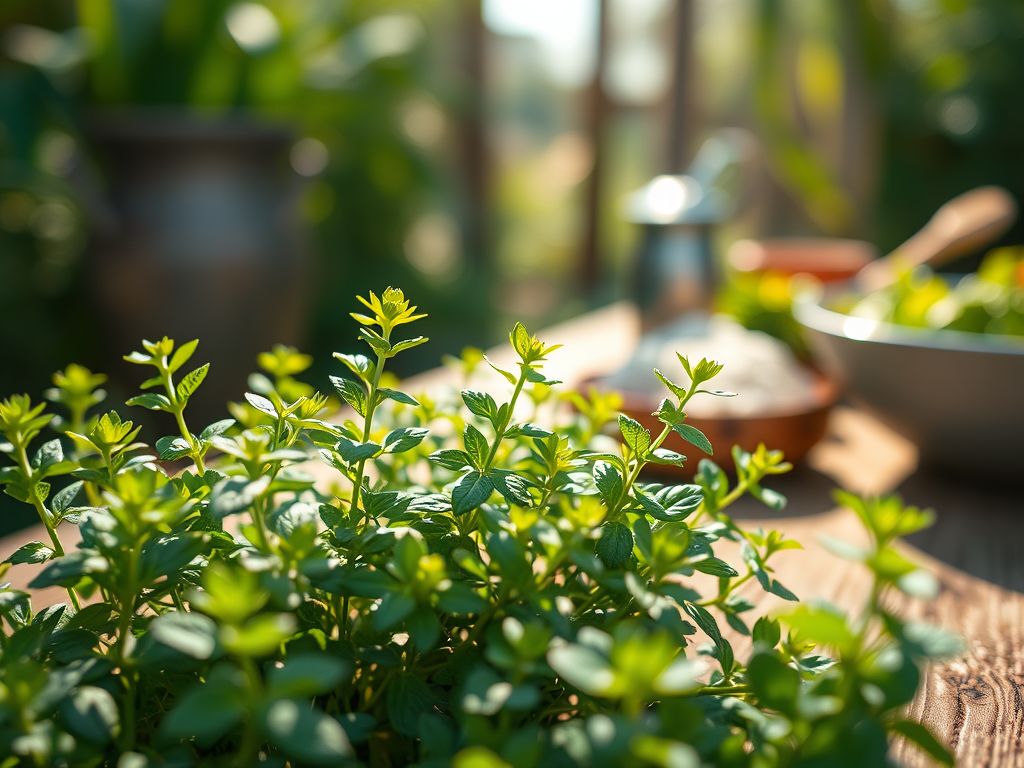
Have you ever heard of Upland Cress? This lesser-known herb is a powerhouse of flavor and nutrition, making it a valuable addition to any culinary repertoire. But what exactly is Upland Cress and how can you incorporate it into your dishes? Let’s dive into the world of this unique herb and uncover its secrets.
What is Upland Cress?
Upland Cress, also known as Barbarea verna, is a perennial herb that belongs to the Brassicaceae family. It is native to Europe and Asia but has found its way into gardens and kitchens around the world. This herb is characterized by its small, dark green leaves that have a peppery flavor reminiscent of watercress.
Health Benefits of Upland Cress
Despite its small size, Upland Cress packs a nutritional punch. It is rich in vitamins A, C, and K, as well as minerals like calcium and iron. In fact, Upland Cress has been shown to have antioxidant and anti-inflammatory properties, making it a valuable addition to a healthy diet.Rich in Antioxidants
Upland Cress is a powerhouse of antioxidants, which help protect the body from oxidative stress and reduce the risk of chronic diseases. Antioxidants play a crucial role in maintaining overall health and well-being.
High in Vitamins and Minerals
This leafy green is a great source of essential vitamins and minerals, including vitamin C, vitamin K, calcium, and iron. These nutrients are vital for supporting immune function, bone health, and energy production.
Low in Calories, High in Nutrients
Upland Cress is a low-calorie food that is high in nutrients, making it an excellent choice for those looking to maintain a healthy weight while still getting essential vitamins and minerals. It is a nutrient-dense option for adding to salads, sandwiches, or smoothies.
Supports Digestive Health
The high fiber content in Upland Cress can support digestive health by promoting regular bowel movements and preventing constipation. Fiber also helps maintain a healthy gut microbiome, which is essential for overall well-being.
May Help Reduce Inflammation
Some studies suggest that Upland Cress may have anti-inflammatory properties, which can help reduce inflammation in the body. Chronic inflammation is linked to various health conditions, so incorporating anti-inflammatory foods like Upland Cress can be beneficial.
Promotes Heart Health
The combination of antioxidants, vitamins, and minerals in Upland Cress can contribute to heart health by reducing the risk of cardiovascular diseases. Including this leafy green in your diet may help support a healthy heart.
Culinary Uses of Upland Cress
Upland Cress is a versatile herb that can be used in a variety of dishes. Its peppery flavor makes it a great addition to salads, sandwiches, and soups. You can also use Upland Cress as a garnish or a flavorful topping for meats and seafood. The possibilities are endless when it comes to incorporating this herb into your cooking.
How to Grow Upland Cress
If you’re interested in growing your own Upland Cress, you’re in luck. This herb is relatively easy to cultivate and thrives in cool, moist conditions. You can sow Upland Cress seeds directly in the garden or grow them in containers. Just make sure to provide plenty of water and sunlight for optimal growth.
Whether you’re a seasoned chef or a novice cook, Upland Cress is a herb worth exploring. Its unique flavor profile and impressive health benefits make it a valuable addition to any kitchen. So why not give Upland Cress a try and elevate your dishes to new heights?
(Barbarea verna is a biennial herb in the family Brassicaceae.[2] Common names include land cress, American cress, bank cress, black wood cress, Belle Isle cress, Bermuda cress, poor man’s cabbage, early yellowrocket,[3] early wintercress, scurvy cress, creasy greens, and upland cress.[4] It is native to southern Europe and western Asia, and naturalized elsewhere[5] It has been cultivated as a leaf vegetable in England since the 17th century. As it requires less water than watercress, it is easier to cultivate. READ MORE)_
 EJADA
EJADA 
Leave a comment