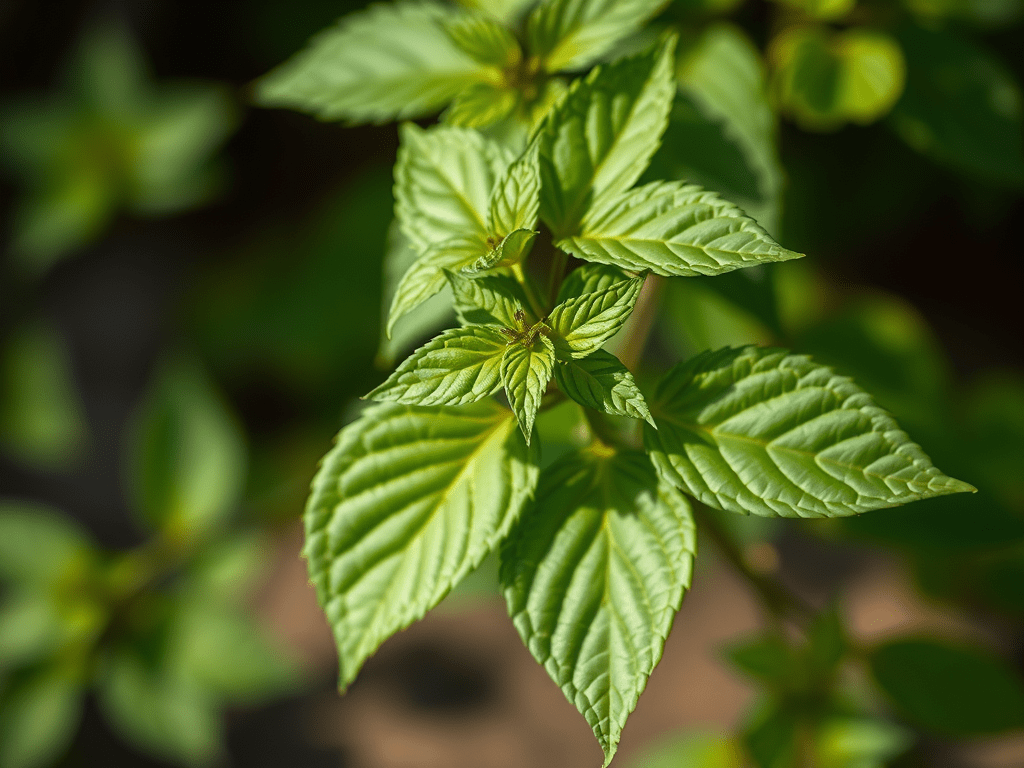
Tulsi, also known as holy basil, is a herb that has been used for centuries in traditional medicine practices. But what exactly is tulsi and what are its potential benefits?
What is Tulsi?
Tulsi is a sacred plant in Hindu culture and is often referred to as the “queen of herbs” for its various health benefits. It belongs to the mint family and is characterized by its strong aroma and distinct flavor.
Health Benefits of Tulsi
Research has shown that tulsi may offer a range of health benefits, including:
1.Boosting immunity
Tulsi is rich in antioxidants and may help strengthen the immune system.Studies have shown that Tulsi has immunomodulatory properties, meaning it can help regulate and strengthen the immune system. It can enhance the production of immune cells, such as T-helper cells and natural killer cells, which play a crucial role in fighting off infections and diseases.
2.Reducing stress
The adaptogenic properties of tulsi may help the body cope with stress and anxiety.Tulsi, or Ocimum sanctum, is an adaptogenic herb that helps the body adapt to stress and promote mental balance. It contains compounds like eugenol, which has been shown to have anti-anxiety and anti-depressant effects. Tulsi also helps regulate cortisol levels, the stress hormone, helping to reduce the body’s stress response.
3.Improving respiratory health
Tulsi has been used to alleviate symptoms of respiratory conditions like asthma and bronchitis.Tulsi also exhibits antimicrobial properties, which can help fight off infections in the respiratory system. By killing harmful bacteria and viruses, Tulsi can prevent respiratory infections and promote a healthy respiratory tract. Studies have shown that Tulsi can improve lung function by increasing the capacity of the lungs and enhancing breathing efficiency. This can be especially beneficial for individuals with respiratory conditions like COPD or asthma.
4.Supporting heart health
Studies suggest that tulsi may help lower cholesterol levels and regulate blood pressure.Tulsi, also known as holy basil, is a sacred herb in India with a long history of medicinal use. But how exactly does this herb benefit the body? Studies have shown that Tulsi can help lower cholesterol levels in the body. High cholesterol is a major risk factor for heart disease, so incorporating Tulsi into your diet could potentially reduce this risk.Tulsi has been found to have a positive effect on blood pressure levels. By helping to regulate blood pressure, Tulsi can contribute to overall heart health and reduce the risk of hypertension.
5.Antioxidant Properties
Tulsi is rich in antioxidants that help protect the body from damage caused by free radicals. These antioxidants help reduce oxidative stress and inflammation, which can contribute to chronic diseases. Antioxidants are compounds that help neutralize harmful free radicals in the body, which can cause oxidative stress and damage to cells. By reducing oxidative stress, antioxidants play a crucial role in maintaining overall health and well-being.
How does Tulsi Exhibit Antioxidant Properties? Tulsi contains phytochemicals such as eugenol, rosmarinic acid, and apigenin, which contribute to its antioxidant properties. These compounds help scavenge free radicals, reducing oxidative damage and inflammation in the body.
6.Stress Relief
In addition to its physiological effects, Studies have shown that Tulsi has adaptogenic properties, meaning it can help the body adapt to stress and promote mental clarity. It is often used in traditional medicine to help manage stress and anxiety. Tulsi also has mood-boosting properties. It is known to enhance mood and promote a sense of well-being, making it a valuable ally in the battle against stress and anxiety. By uplifting the spirits, Tulsi can help individuals better cope with the challenges of daily life. So, if you’re feeling overwhelmed by stress, consider incorporating Tulsi into your daily routine.
7.Immune Support
Studies have shown that Tulsi has immunomodulatory properties, meaning it can help regulate the immune system. It can enhance the activity of natural killer cells, which are essential for fighting off infections and cancer cells. Tulsi has anti-inflammatory effects, which can help reduce inflammation in the body and support overall immune function. Chronic inflammation is linked to various health conditions, so reducing it can have a positive impact on your immune system.Tulsi is known for its immune-boosting properties. It can help enhance the immune system’s response to infections and illnesses, making it a valuable herb for overall health and wellness.
8.Respiratory Health
Due to its anti-inflammatory and antimicrobial properties, Tulsi is often used to support respiratory health. It can help relieve symptoms of respiratory conditions such as asthma, bronchitis, and coughs. Some studies suggest that Tulsi may act as a bronchodilator, helping to relax the muscles in the respiratory tract and improve airflow to the lungs. This can be beneficial for individuals with asthma or other respiratory conditions.
9.Heart Health
Research suggests that Tulsi may help lower cholesterol levels and blood pressure, reducing the risk of heart disease. It can also help improve circulation and support overall cardiovascular health.Studies have shown that Tulsi can help lower cholesterol levels, including LDL cholesterol (the “bad” cholesterol) and triglycerides. By reducing these lipid levels, Tulsi can help improve heart health and reduce the risk of cardiovascular diseases. Tulsi has been found to have a hypotensive effect, meaning it can help lower blood pressure. By promoting vasodilation and improving blood flow, Tulsi can help regulate blood pressure levels and reduce the strain on the heart.
With its wide range of health benefits, Tulsi herb is a valuable addition to any wellness routine. Whether enjoyed as a tea, taken as a supplement, or used in cooking, this versatile herb can help support overall health and well-being.
How to Incorporate Tulsi into Your Routine
There are various ways to incorporate tulsi into your daily routine. You can enjoy it as a tea, add it to soups and stews, or even use it in skincare products for its antibacterial properties.
Precautions and Considerations
While tulsi is generally considered safe for most people, it’s always a good idea to consult with a healthcare provider before adding any new herb or supplement to your routine, especially if you are pregnant, nursing, or taking medications.
Overall, tulsi is a versatile herb with a long history of use in traditional medicine. Whether you’re looking to boost your immunity, reduce stress, or support your overall well-being, tulsi may be worth exploring as a natural remedy.
 EJADA
EJADA 
Leave a comment