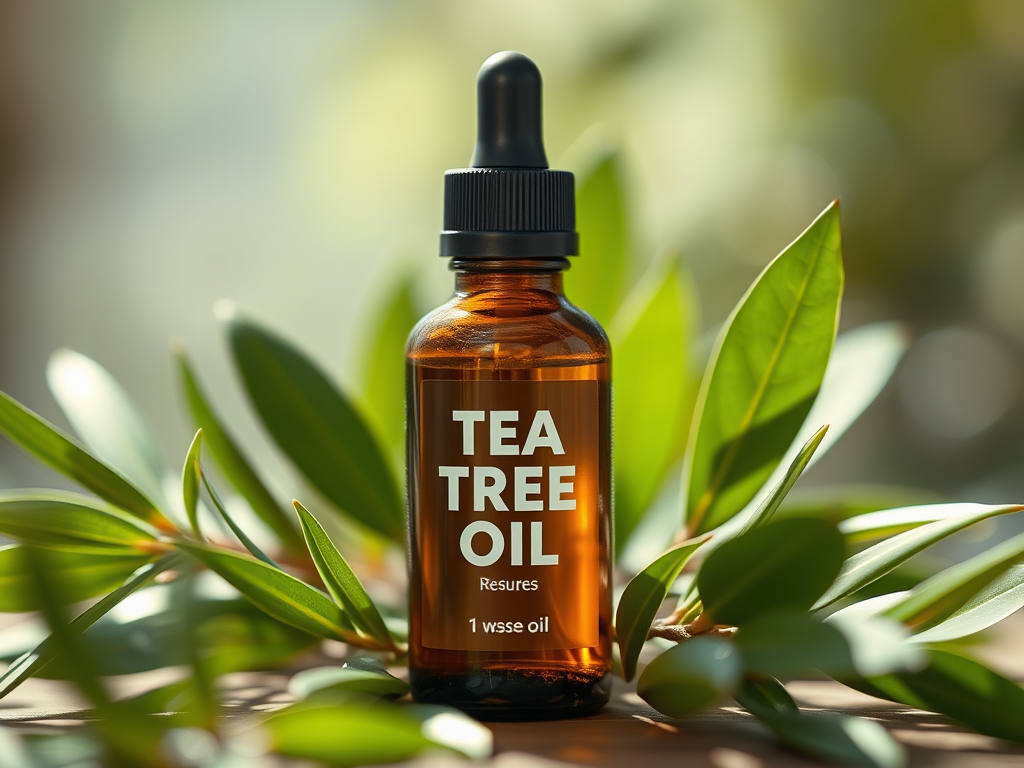
Tea tree oil, also known as melaleuca oil, is derived from the leaves of the tea tree (Melaleuca alternifolia), a plant native to Australia. This essential oil has been used for centuries for its various medicinal properties. But did you know these interesting facts about tea tree oil?Tea tree oil, also known as melaleuca oil, is a popular essential oil that has been used for centuries due to its numerous medicinal properties. Let’s dive into the various medicinal uses of tea tree oil:
1. Acne Treatment
Tea tree oil is well-known for its ability to combat acne. Its anti-inflammatory and antimicrobial properties help reduce the appearance of acne and prevent future breakouts. Diluted tea tree oil can be applied topically to the skin to help clear up blemishes.
2. Skin Infections
Due to its powerful antimicrobial properties, tea tree oil can be used to treat various skin infections, such as athlete’s foot, nail fungus, and ringworm. Its natural antifungal properties make it an effective remedy for these common skin conditions.
3. Dandruff Relief
Tea tree oil is a popular ingredient in many dandruff shampoos due to its ability to soothe a dry, itchy scalp. Its antifungal properties help combat the yeast that can contribute to dandruff, making it a natural and effective treatment for this common scalp condition.
4. Wound Healing
When applied topically, tea tree oil can help promote wound healing. Its antimicrobial properties can help prevent infection in minor cuts and scrapes, while its anti-inflammatory properties can help reduce swelling and redness.
5. Respiratory Relief
Inhaling steam with tea tree oil can help provide relief from congestion and respiratory issues. Its antibacterial properties can help clear the airways and reduce symptoms of colds, coughs, and sinus infections.
6. Antimicrobial Properties
Tea tree oil is well-known for its powerful antimicrobial properties. Studies have shown that it can effectively kill a wide range of bacteria, viruses, and fungi. This makes it a popular choice for treating skin conditions such as acne, athlete’s foot, and dandruff.
7. Anti-Inflammatory Effects
In addition to its antimicrobial properties, tea tree oil also has anti-inflammatory effects. This makes it a great natural remedy for soothing skin irritations and reducing redness and swelling. It can be used to alleviate the symptoms of conditions like eczema and psoriasis.
Tea Tree other Uses
Household Cleaner
Tea tree oil is not just beneficial for the skin – it can also be used as a natural household cleaner. Its antimicrobial properties make it effective at killing germs and bacteria on surfaces, making it a great alternative to chemical-laden cleaning products.
Natural Insect Repellent
Tea tree oil can also be used as a natural insect repellent. Its strong scent is known to deter insects such as mosquitoes, ants, and flies. Simply dilute a few drops of tea tree oil in water and spray it around your home to keep bugs at bay.
These are just a few of the many benefits of tea tree oil. Whether you’re looking to improve your skin, clean your home, or repel insects, this versatile essential oil has got you covered. Give it a try and experience the power of tea tree oil for yourself!
What the research says
Research on tea tree oil use for specific conditions shows:
- Acne. Research suggests that a treatment gel containing tea tree oil might be effective at relieving acne.
- Dandruff. A tea tree oil shampoo used for four weeks has been shown to be effective at treating dandruff.
- Athlete’s foot. A tea tree oil cream, applied twice daily for one month, has been shown to be effective in relieving symptoms of athlete’s foot.
- Lice. When used in combination with lavender oil, tea tree oil has been shown to be effective at treating lice eggs.
- Nail fungus. Research hasn’t shown tea tree oil used in its pure form or in combination with other antifungal therapies to be effective in treating toenail fungus. READ MORE: Mayo Clinic
 EJADA
EJADA 
Leave a comment