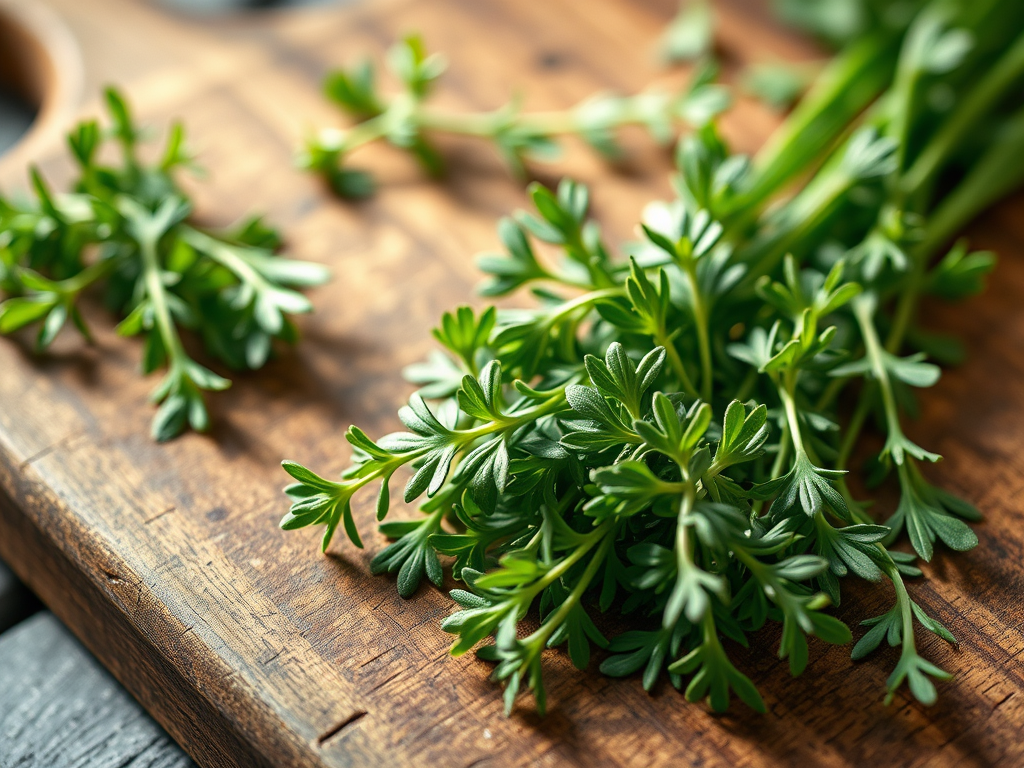
Tarragon is a popular herb known for its culinary uses, but did you know that it also offers a variety of medicinal benefits? In this blog post, we will explore the potential health advantages of incorporating tarragon into your diet.
Antioxidant Properties
Tarragon is rich in antioxidants, which help protect the body from damage caused by free radicals. Free radicals are unstable molecules that can lead to oxidative stress and contribute to various chronic diseases. By consuming tarragon, you can benefit from its antioxidant properties and support your overall health.
Anti-Inflammatory Effects
Studies have shown that tarragon possesses anti-inflammatory properties, making it a valuable herb for reducing inflammation in the body. Chronic inflammation is linked to numerous health conditions, including heart disease, arthritis, and cancer. Adding tarragon to your meals may help combat inflammation and promote better health.
Improved Digestion
Tarragon has been traditionally used to aid digestion and alleviate digestive issues. It is believed to stimulate the production of digestive enzymes, which can enhance the breakdown of food and improve nutrient absorption. If you struggle with indigestion or bloating, incorporating tarragon into your diet may offer relief.
Regulated Blood Sugar Levels
Research suggests that tarragon may help regulate blood sugar levels, making it beneficial for individuals with diabetes or those at risk of developing the condition. By including tarragon in your meals, you may experience more stable blood glucose levels and reduce the risk of complications associated with diabetes.
Relief from Menstrual Symptoms
For women experiencing menstrual symptoms such as cramps and bloating, tarragon may offer some relief. The herb is believed to have mild analgesic properties, which can help alleviate pain and discomfort associated with menstruation. Adding tarragon to your diet or consuming it as a tea may help ease menstrual symptoms.
Tarragon is believed to have mild sedative properties, making it a potential natural remedy for improving sleep quality. By consuming tarragon tea before bedtime, you may experience a calming effect that helps you relax and fall asleep more easily. Better sleep is essential for overall health and well-being.
According to WebMD, Tarragon is used for indigestion (dyspepsia), poor appetite, nausea and vomiting after surgery, toothache, sleep problems, and other conditions, but there is no good scientific evidence to support these uses. READ MORE: WebMD
While tarragon is primarily known for its culinary uses, its potential medicinal benefits make it a valuable addition to a healthy diet. Whether you use it fresh or dried, tarragon can provide a range of health advantages that support overall well-being. Consider incorporating this versatile herb into your meals to take advantage of its medicinal properties.
Things to know
Taste…what does tarragon taste like
The pungent, bittersweet flavor of tarragon is often compared to licorice, anise, and fennel, thanks to the presence of methyl chavicol, a naturally occurring compound found in many plants and trees with a distinct licorice-like taste and fragrance.
Cooking uses…how is tarragon used in cooking
One of the easiest ways to use tarragon is to chop the fresh leaves and sprinkle them onto finished dishes. This herb goes well with omelets, frittatas, and scrambled eggs, adding a fresh and flavorful touch to your breakfast. Tarragon also pairs well with lighter meats like chicken and fish.
Precautions
When it comes to using tarragon in your culinary creations, there are a few precautions to keep in mind. While tarragon is generally safe for most people, there are certain situations where caution is advised.
1. Allergies
Individuals who are allergic to plants in the Asteraceae family, such as ragweed, marigolds, and daisies, may also be allergic to tarragon. If you have known allergies to these plants, it’s best to avoid tarragon or consult with a healthcare provider before using it.
2. Pregnancy and Breastfeeding
While tarragon is considered safe in small amounts as a culinary herb, pregnant and breastfeeding women should exercise caution. There is limited research on the effects of tarragon during pregnancy and breastfeeding, so it’s best to consume it in moderation or consult with a healthcare provider.
3. Medication Interactions
Tarragon may interact with certain medications, particularly blood thinners like warfarin. If you are taking any medications, especially blood thinners or medications for diabetes, it’s important to speak with your healthcare provider before incorporating tarragon into your diet.
4. Surgery
If you have an upcoming surgery, it’s advisable to avoid tarragon in the days leading up to the procedure. Tarragon may have mild blood-thinning properties, which could potentially increase the risk of bleeding during surgery. It’s always best to err on the side of caution and refrain from consuming tarragon if you have a surgery scheduled.
5. Skin Sensitivity
Some individuals may experience skin sensitivity or irritation when handling fresh tarragon. If you notice any redness, itching, or irritation after coming into contact with tarragon, it’s best to avoid using it in your cooking or wear gloves when handling the herb.
By being aware of these precautions and using tarragon mindfully, you can continue to enjoy the unique flavor and aroma that this herb adds to your dishes. As with any ingredient, moderation and awareness of potential risks are key to safely incorporating tarragon into your culinary repertoire.
 EJADA
EJADA 
Leave a comment