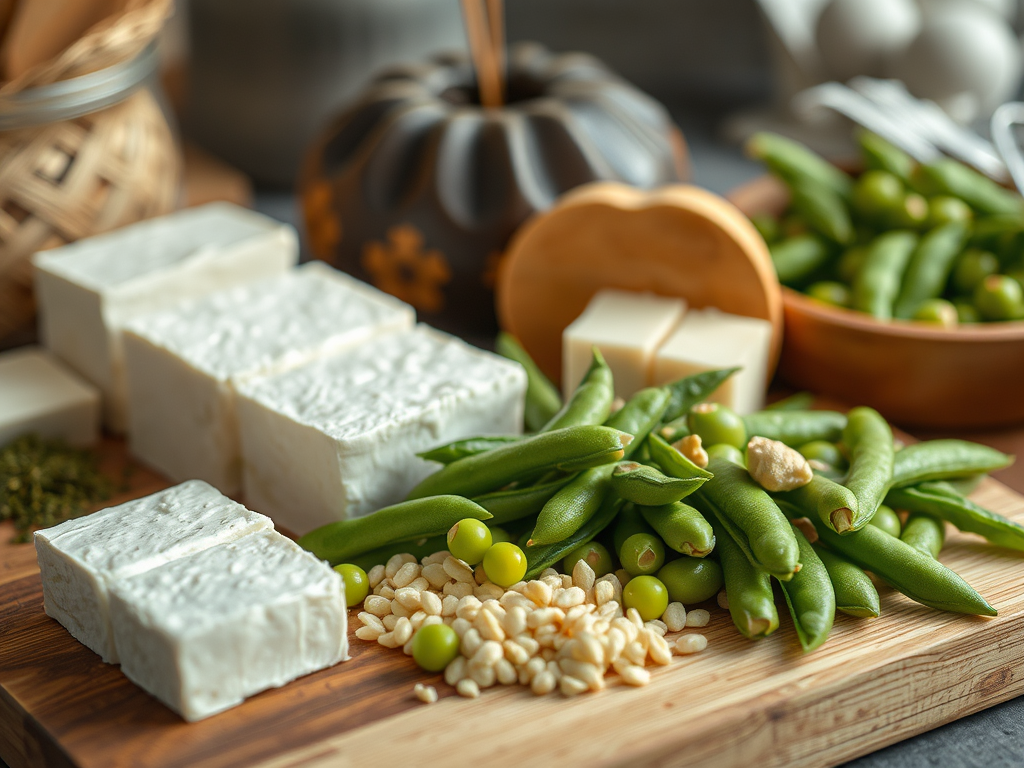
Soy isoflavones are compounds found in soybeans and soy products that belong to a class of plant-based compounds known as phytoestrogens. These compounds have gained attention for their potential health benefits, particularly in relation to hormone-related conditions.
What are Soy Isoflavones?
Soy isoflavones, such as genistein and daidzein, are known for their estrogen-like effects in the body. They can bind to estrogen receptors and mimic the effects of estrogen, although their potency is much weaker compared to the body’s natural estrogen.
Health Benefits of Soy Isoflavones
Research suggests that soy isoflavones may have various health benefits, including reducing the risk of heart disease, improving bone health, and alleviating menopausal symptoms. Some studies have also explored their potential role in reducing the risk of certain types of cancer, such as breast and prostate cancer.
Concerns and Controversies
Despite the potential health benefits, there have been concerns and controversies surrounding soy isoflavones. Some studies have raised questions about their safety, particularly in relation to hormone-sensitive conditions like breast cancer. However, the overall evidence remains inconclusive, and more research is needed to fully understand the effects of soy isoflavones on health.
Recommendations for Consumption
For individuals interested in incorporating soy isoflavones into their diet, it is recommended to consume them in moderation as part of a balanced diet. Whole soy foods, such as tofu, tempeh, and edamame, are preferred over supplements, as they provide a range of nutrients in addition to isoflavones.
It is important to consult with a healthcare provider or a registered dietitian before making significant changes to your diet, especially if you have a history of hormone-related conditions or are taking medications that may interact with soy isoflavones.
Conclusion
In conclusion, soy isoflavones are a group of plant compounds with potential health benefits, particularly in relation to hormone-related conditions. While research on soy isoflavones is ongoing, more studies are needed to fully understand their effects on health and any potential risks associated with their consumption.
As with any dietary component, it is important to consume soy isoflavones in moderation and as part of a balanced diet to reap the potential benefits they may offer.
oy is unique in that it contains a high concentration of isoflavones, a type of plant estrogen (phytoestrogen) that is similar in function to human estrogen but with much weaker effects. Soy isoflavones can bind to estrogen receptors in the body and cause either weak estrogenic or anti-estrogenic activity. (Source: Harvard TH Chan)
Foods rich in isoflavones may offer other health benefits in that they are both anti-inflammatory and antioxidant (meaning they prevent damage to a cell’s DNA).2
Rietjens IMCM, Louisse J, Beekmann K. The potential health effects of dietary phytoestrogens. Br J Pharmacol. 2017;174(11):1263-80. doi:10.1111/bph.13622 Some studies have even suggested that isoflavones may help prevent heart disease or have cancer-fighting properties.Read More:http://Very Well Health
 EJADA
EJADA 
Leave a comment