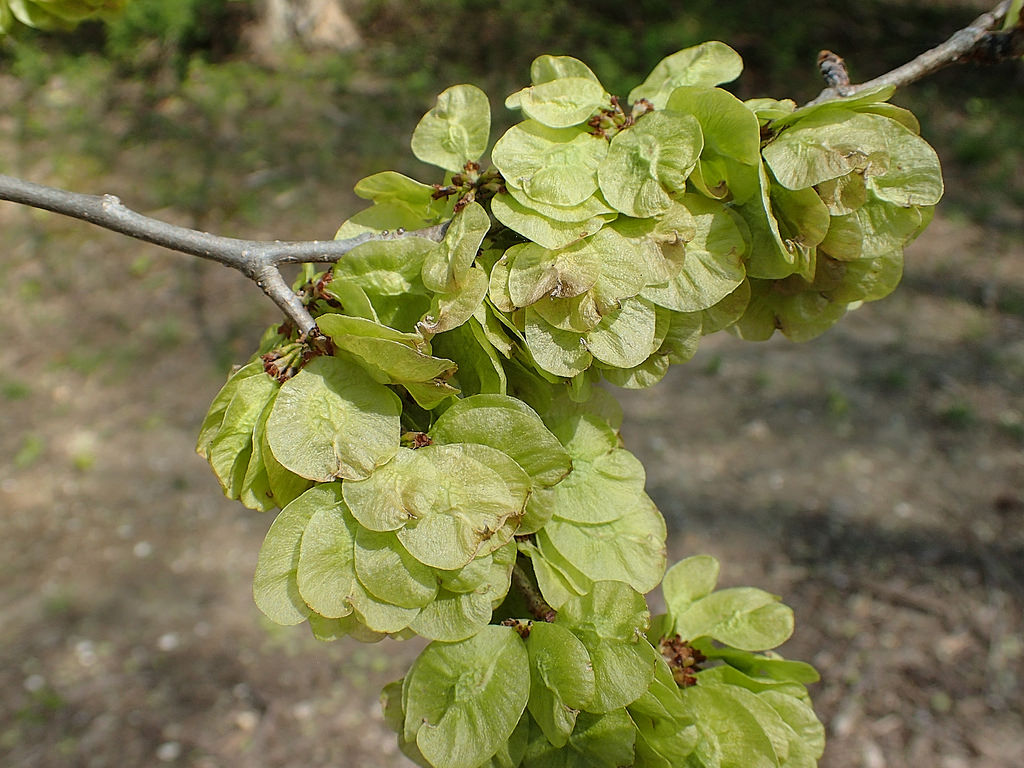
Have you heard of Slippery Elm and its potential health benefits? Let’s dive into the world of this natural remedy and explore its uses.
What is Slippery Elm?
Slippery Elm, also known as Ulmus rubra, is a tree native to North America. The inner bark of the tree has been used for centuries in traditional medicine for its various health benefits.
How Does it Work?
One of the key components of Slippery Elm is mucilage, a gel-like substance that becomes slippery when mixed with water. This mucilage can help soothe the throat and stomach by forming a protective layer.
What Are the Benefits?
Studies have shown that Slippery Elm may help with conditions such as sore throat, cough, digestive issues, and skin irritation. It is also believed to have anti-inflammatory properties, making it a popular choice for natural remedies.
How to Use Slippery Elm?
Slippery Elm can be consumed in various forms, including teas, capsules, lozenges, and powders. It is important to follow the recommended dosage instructions and consult with a healthcare provider before using it, especially if you are pregnant, nursing, or taking medications.
Slippery Elm, also known as Ulmus rubra, is a tree native to North America that has been used for centuries for its medicinal properties. This natural remedy offers a wide range of benefits for various health conditions. Let’s explore some of the key advantages of incorporating Slippery Elm into your wellness routine.
1. Soothes Digestive Issues
Slippery Elm contains mucilage, a gel-like substance that becomes a slick gel when mixed with water. This gel coats and soothes the digestive tract, making it a popular remedy for conditions such as heartburn, indigestion, and irritable bowel syndrome (IBS).
2. Supports Gut Health
Due to its mucilage content, Slippery Elm acts as a prebiotic, promoting the growth of beneficial bacteria in the gut. This can help improve overall gut health and support a balanced microbiome.
3. Relieves Sore Throats
Slippery Elm is often used to alleviate sore throats and coughs. The mucilage in Slippery Elm coats the throat, providing a soothing effect and reducing irritation.
4. Eases Respiratory Issues
When consumed as a tea or lozenge, Slippery Elm can help ease symptoms of respiratory conditions such as asthma, bronchitis, and coughs. Its anti-inflammatory properties can help reduce inflammation in the respiratory tract.
5. Supports Skin Health
Topical preparations of Slippery Elm, such as creams or ointments, can help soothe skin irritations, burns, and wounds. The mucilage forms a protective barrier on the skin, promoting healing and reducing inflammation.
6. Aids in Weight Management
Slippery Elm is sometimes used as a weight loss aid due to its ability to promote feelings of fullness and reduce appetite. By adding Slippery Elm to your diet, you may be able to better manage your weight and support your weight loss goals.
Are There Any Side Effects?
While Slippery Elm is generally considered safe for most people, some individuals may experience side effects such as nausea or allergic reactions. It is always best to start with a small dose to see how your body reacts.
Overall, Slippery Elm is a natural remedy with a long history of use in traditional medicine. Whether you are looking to soothe a sore throat or improve your digestive health, Slippery Elm may offer a gentle and effective solution.
READ MORE: Only the inner bark of slippery elm, not the whole bark, is used as medicine. The inner bark contains chemicals that can increase mucous secretion, which might be helpful for stomach and intestinal problems, WebMD
 EJADA
EJADA 
Leave a comment