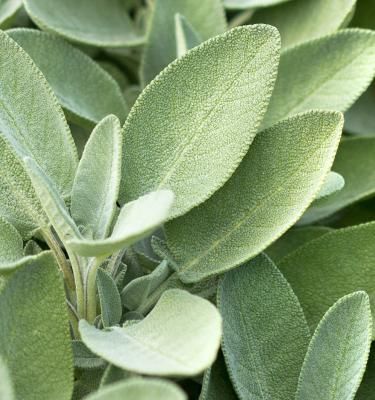
When it comes to sage, most people are familiar with its use in cooking, particularly in dishes like Thanksgiving stuffing. However, there are many more fascinating facts about this herb that are worth exploring. Let’s dive into some sage known and little known facts.
What is Sage?
Sage, scientifically known as Salvia officinalis, is a perennial herb that belongs to the mint family. It is native to the Mediterranean region and has been used for centuries for its culinary and medicinal properties.
Known Fact: Health Benefits
Sage is not only a flavorful herb but also packed with health benefits. It is rich in antioxidants, anti-inflammatory compounds, and essential nutrients like vitamin K. Studies have shown that sage may improve brain function, support oral health, and even lower blood sugar levels.
Little Known Fact: Spiritual Significance
In addition to its culinary and medicinal uses, sage holds spiritual significance in various cultures. Burning sage, also known as smudging, is a ritual believed to cleanse negative energy and promote healing. This practice has been used by Indigenous peoples for centuries.
Known Fact: Culinary Uses
Sage is a versatile herb that adds a savory flavor to a wide range of dishes. It pairs well with meats like pork and chicken, as well as vegetables like butternut squash. Sage leaves can be used fresh or dried, depending on the recipe.
Little Known Fact: Symbolism
In folklore and mythology, sage is often associated with wisdom, longevity, and protection. In ancient times, it was believed that planting sage in your garden would bring prosperity and ward off evil spirits. This symbolic meaning has persisted through the ages.
Whether you’re cooking up a delicious meal or seeking spiritual clarity, sage has much to offer. By exploring both the known and little known facts about this herb, you can deepen your appreciation for its rich history and diverse uses.
Sage-for-Menopause, People use sage for several menopausal symptoms including night sweats, hot flashes, and mood swings. Up to 80 percent of women who go through menopause will experience these symptoms as well as tiredness, loss of bone density, and weight gain.Many women turn to the use of botanical remedies for symptom relie.
(Sage has a long history of use in Egyptian, Roman, and Greek medicine, as well as in Native American healing traditions. Dried sage is burned to heal, protect, increase wisdom, and boost defense against disease. READ NORE:Benefits Of Sage)
 EJADA
EJADA 
Leave a comment