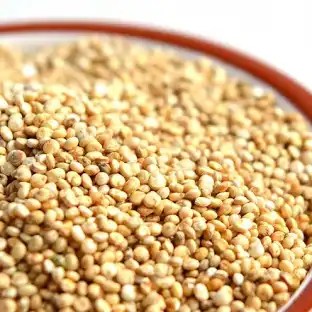
Quinoa, pronounced keen-wah, is a highly nutritious grain that has been consumed for thousands of years. But how exactly can quinoa benefit your health?
Rich in Nutrients
Quinoa is packed with essential nutrients such as fiber, protein, iron, magnesium, and zinc. In fact, it contains all nine essential amino acids, making it a complete protein source.
Gluten-Free and Suitable for Celiacs
For individuals with gluten intolerance or celiac disease, quinoa is a great alternative to gluten-containing grains. It is naturally gluten-free, making it a safe and nutritious choice for those with gluten sensitivities.
May Help Improve Blood Sugar Control
Quinoa has a low glycemic index, which means it doesn’t cause a rapid spike in blood sugar levels. This can be beneficial for individuals looking to manage their blood sugar levels, especially those with diabetes.
Supports Heart Health
Studies have shown that quinoa may help lower cholesterol levels and reduce the risk of heart disease. Its high fiber content can aid in reducing LDL cholesterol levels, which is important for maintaining heart health.
May Aid in Weight Loss
Due to its high fiber and protein content, quinoa can help you feel full and satisfied, potentially leading to reduced calorie intake. Incorporating quinoa into your diet can support weight loss efforts by promoting satiety.
Overall, quinoa is a versatile and nutritious grain that can offer a wide range of health benefits. Whether you’re looking to improve your heart health, manage your blood sugar levels, or simply add more nutrients to your diet, quinoa is a great choice to consider.
Read More: Quinoa
Quinoa is considered a carbohydrate because it contains many carbs per serving. Although it contains some protein, the macronutrient distribution is closer to what you find in other grains and starches.
 EJADA
EJADA 
Leave a comment