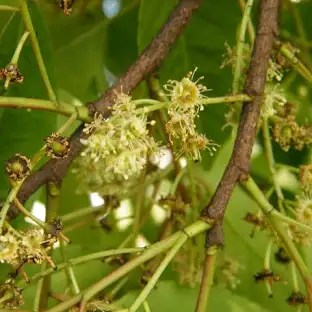
Pygeum, also known as Pygeum africanum or African plum extract, is a natural remedy that has been used for centuries to promote prostate health. This herbal supplement is derived from the bark of the African cherry tree and contains a variety of beneficial compounds that can support overall prostate function.
What are the Benefits of Pygeum?
Research has shown that Pygeum may help reduce symptoms associated with benign prostatic hyperplasia (BPH), a common condition in older men that can lead to urinary problems. Studies have indicated that Pygeum extract can help improve urine flow, reduce nighttime urination, and decrease the frequency of trips to the bathroom.
How Does Pygeum Work?
Pygeum contains phytosterols, pentacyclic triterpenes, and ferulic esters, which have anti-inflammatory and antioxidant properties. These compounds help reduce inflammation in the prostate gland and may help prevent the growth of prostate cells. By reducing inflammation and oxidative stress, Pygeum can help alleviate symptoms of BPH and support overall prostate health.
Is Pygeum Safe to Use?
Pygeum is generally considered safe for most people when taken at recommended doses. However, like any supplement, it may cause side effects in some individuals, such as stomach upset or headache. It is always best to consult with a healthcare provider before starting any new supplement regimen, especially if you have underlying health conditions or are taking medications.
How to Incorporate Pygeum into Your Routine
Pygeum supplements are available in various forms, including capsules, tablets, and liquid extracts. It is typically recommended to take Pygeum with food to improve absorption. The dosage may vary depending on the specific product, so it is important to follow the instructions on the label or consult with a healthcare provider for personalized guidance.
Overall, Pygeum is a natural remedy that may offer benefits for prostate health, particularly for men dealing with symptoms of BPH. By incorporating Pygeum into your daily routine, you may experience improvements in urinary function and overall prostate wellness.Generate againKeep
What are the Lesser-Known Uses of Pygeum?
1. Anti-inflammatory properties: Pygeum has been found to have anti-inflammatory effects, making it a potential treatment for conditions such as arthritis and other inflammatory disorders.
2. Antioxidant properties: Pygeum contains antioxidants that help protect cells from damage caused by free radicals, which can contribute to various health issues, including aging and chronic diseases.
3. Urinary health: In addition to its well-known benefits for prostate health, Pygeum may also support overall urinary health by promoting proper bladder function and reducing urinary frequency.
How Can Pygeum be Incorporated into Your Wellness Routine?
Pygeum supplements are widely available in various forms, including capsules, powders, and extracts. When choosing a Pygeum supplement, it is essential to look for products that are standardized to contain a specific percentage of active compounds for optimal effectiveness.
It is recommended to consult with a healthcare provider before adding Pygeum to your wellness routine, especially if you are currently taking any medications or have underlying health conditions.
Final Thoughts
While Pygeum is most commonly recognized for its benefits in supporting prostate health, its lesser-known uses make it a versatile natural remedy with potential benefits for overall health and well-being. By exploring the diverse properties of Pygeum, individuals can unlock its hidden potential and incorporate it into their holistic wellness routines.Generate againKeep
Read More: WebMD
Pygeum contains chemicals that help shrink the prostate in males with enlarged prostates. This might relieve urinary problems such as poor urine flow and nighttime urination.
People most commonly use pygeum for treating symptoms of enlarged prostate (BPH). It is also used for fever, malaria, kidney disease, and many other conditions, but there is no good scientific evidence to support these other uses.
 EJADA
EJADA 
Leave a comment