HO Ho Ho Mistletoe Did You Know
Is mistletoe just for holidays or are there proven health benefits? Let’s dive into the scientific research to uncover the truth behind this festive plant.
What is Mistletoe?
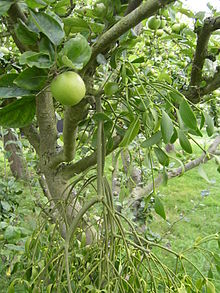
Mistletoe is a plant that grows on the branches of trees, particularly in the winter months. It has been used for centuries in traditional medicine practices for its potential health benefits.
Proven Health Benefits
Research has shown that mistletoe contains compounds that may have anti-inflammatory and immune-boosting properties. These properties could potentially help with conditions such as arthritis and autoimmune diseases.
Cancer Treatment
One of the most well-known uses of mistletoe is in cancer treatment. Studies have shown that mistletoe extract may help improve the quality of life for cancer patients by reducing side effects of chemotherapy and radiation therapy.
Heart Health
Some studies suggest that mistletoe may have a positive impact on heart health by lowering blood pressure and improving circulation. These cardiovascular benefits could be attributed to the plant’s antioxidant properties.
How to Incorporate Mistletoe
Mistletoe can be consumed in various forms, including teas, tinctures, and supplements. It is important to consult with a healthcare provider before adding mistletoe to your health regimen, especially if you are pregnant, nursing, or have underlying health conditions.
While mistletoe is often associated with holiday traditions, its potential health benefits extend far beyond the festive season. By exploring scientific research and consulting with a healthcare professional, you can unlock the full potential of mistletoe for your well-being.
(“The name mistletoe originally referred to the species Viscum album (European mistletoe, of the family Santalaceae in the order Santalales); it is the only species native to the British Isles and much of Europe. A related species with red rather than white fruits, Viscum cruciatum, occurs in Southwest Spain and Southern Portuga”)
Read more: https://en.wikipedia.org/wiki/Mistletoe
 EJADA
EJADA 
Leave a comment