Milk Thistle-Mink
This unique plant has been gaining popularity in the health and wellness industry for its numerous benefits. Let’s dive into what exactly Milk Thistle-Mink is and how it can support your well-being.
What is Milk Thistle-Mink?
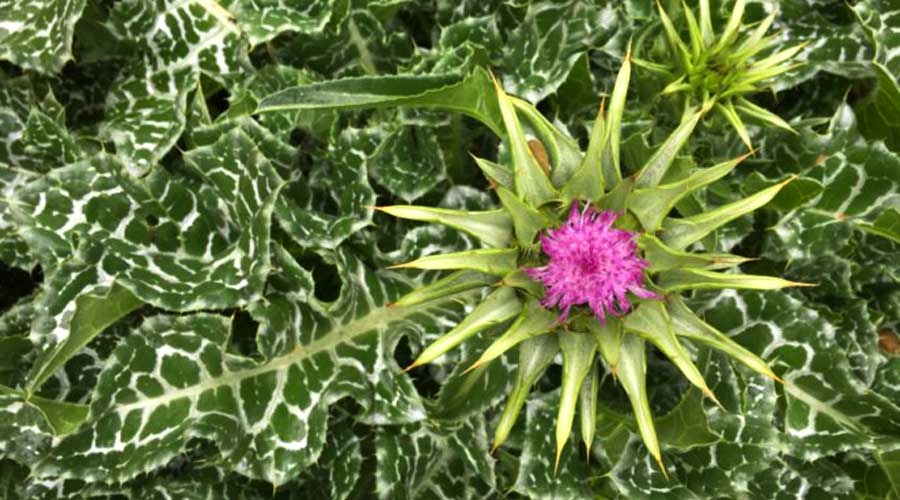
Milk Thistle-Mink, scientifically known as Silybum marianum, is a flowering herb that belongs to the daisy family. It is native to the Mediterranean region but is now grown all over the world for its medicinal properties. The plant has distinctive purple flowers and spiky leaves with white veins.
Health Benefits of Milk Thistle-Mink
Research has shown that Milk Thistle-Mink contains a compound called silymarin, which is known for its antioxidant and anti-inflammatory properties. This powerful compound can help protect the liver from toxins and promote overall liver health. In fact, studies have shown that Milk Thistle-Mink may help improve liver function and reduce inflammation.
Additionally, Milk Thistle-Mink has been used traditionally to support digestive health. It may help alleviate symptoms of indigestion, bloating, and gas. Some studies suggest that Milk Thistle-Mink can also aid in detoxification and support a healthy immune system.
How to Incorporate Milk Thistle-Mink into Your Routine
Milk Thistle-Mink is commonly available in supplement form, such as capsules, tablets, or liquid extracts. It is important to follow the recommended dosage on the product label or consult with a healthcare provider before adding Milk Thistle-Mink to your routine.
Some people also enjoy brewing Milk Thistle-Mink tea by steeping the dried herb in hot water. This can be a soothing and relaxing way to reap the benefits of this powerful plant.
Whether you are looking to support your liver health, aid digestion, or boost your overall well-being, Milk Thistle-Mink may be a beneficial addition to your daily routine. Consider incorporating this herbal remedy into your regimen and experience the potential benefits for yourself.
Milk Thistle-Mink, also known as Milk Thistle or Silybum Marianum, is a plant that has been used for centuries for its various health benefits. Let’s explore the benefits and history of this powerful herb.
What are the health benefits of Milk Thistle-Mink?
Milk Thistle-Mink is known for its liver-protecting properties. It contains a compound called silymarin, which has antioxidant and anti-inflammatory effects. Studies have shown that Milk Thistle-Mink can help promote liver health by reducing inflammation and oxidative stress.
Additionally, Milk Thistle-Mink may help lower cholesterol levels, improve insulin resistance, and support overall heart health. Some studies suggest that it may also have anti-cancer properties, although more research is needed in this area.
How long has Milk Thistle-Mink been used?
Milk Thistle-Mink has been used for over 2,000 years as a traditional herbal remedy. It was historically used to treat liver and gallbladder disorders, as well as to protect the liver from toxins and pollutants.
In modern times, Milk Thistle-Mink is commonly used as a dietary supplement to support liver function and overall health. It is available in various forms, including capsules, tinctures, and teas.
What are the common names for Milk Thistle-Mink?
Milk Thistle-Mink is also known by other common names, including Blessed Milk Thistle, Marian Thistle, and Scotch Thistle. These names refer to the plant’s white-veined leaves and the milky sap that is released when the leaves are crushed.
Whether you call it Milk Thistle-Mink or one of its other names, this herb has a long history of use for its health benefits. Consider incorporating Milk Thistle-Mink into your wellness routine to support your liver and overall health.
(“Some people apply milk thistle directly to the skin for skin damage caused by radiation. In foods, milk thistle leaves and flowers are eaten as a vegetable for salads and a substitute for spinach. The seeds are roasted for use as a coffee substitute. Don’t confuse milk thistle with blessed thistle (Cnicus benedictus). Read more WebMD Milk Thistle-Mint “)
 EJADA
EJADA 
Leave a comment