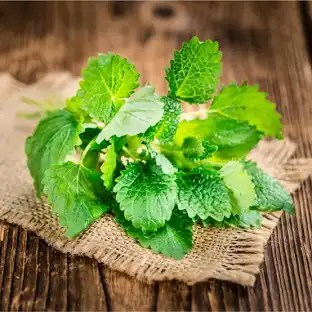
Lemon Balm is another herb that starts with the letter L and can thrive in high altitudes. This herb is part of the mint family and is known for its lemony scent and flavor. Lemon balm is often used in teas, as well as in aromatherapy for its calming effects. Have you heard of lemon balm? Lemon Balm is a powerhouse when it comes to health benefits. Let’s dive into the world of lemon balm and discover why it’s a must-have in your herbal arsenal.
Lemon balm, also known as Melissa officinalis, is a fragrant herb that is commonly used in cooking and herbal medicine. However, some lesser-known uses for lemon balm may surprise you. In this blog post, we will explore some of the rare known uses for lemon balm.
What is Lemon Balm?
Lemon Balm, also known as Melissa officinalis, is a perennial herb from the mint family. It has a mild lemon scent and is commonly used in culinary dishes, teas, and herbal remedies.
Health Benefits of Lemon Balm
1. Calming Effects: Lemon balm has been shown to have calming and stress-relieving properties, making it a popular choice for promoting relaxation and reducing anxiety.
2. Digestive Aid: This herb can help soothe digestive issues such as bloating, gas, and indigestion, thanks to its carminative properties.
3. Antioxidant Power: Lemon balm is rich in antioxidants, which can help protect cells from damage caused by free radicals and oxidative stress.
1. Natural Insect Repellent
Did you know that lemon balm can be used as a natural insect repellent? The strong lemon scent of the plant is effective at keeping mosquitoes, flies, and other insects at bay. Simply crush a few leaves and rub them on your skin to help ward off pesky bugs.
2. Stress Relief
Lemon balm has been traditionally used to help reduce stress and anxiety. The calming properties of the herb can help promote relaxation and improve mood. Consider brewing a cup of lemon balm tea or adding a few drops of lemon balm essential oil to a diffuser for a soothing effect.
3. Digestive Aid
Due to its carminative properties, lemon balm can help soothe digestive issues such as bloating, gas, and indigestion. Drinking lemon balm tea after a meal may help promote healthy digestion and alleviate discomfort.
4. Skin Care
Lemon balm contains antioxidants and anti-inflammatory compounds that can benefit the skin. Applying a cooled lemon balm tea compress to the skin may help reduce inflammation, redness, and irritation. It can also be used in homemade skincare products for a refreshing boost.
5. Sleep Aid
Lemon balm is known for its mild sedative properties, making it a popular choice for promoting restful sleep. Drinking a cup of lemon balm tea before bedtime may help calm the mind and body, leading to a more peaceful night’s rest.
Next time you have a surplus of lemon balm in your garden, consider trying out some of these unique uses for this versatile herb. From natural insect repellent to stress relief, lemon balm has a wide range of benefits beyond its traditional culinary and medicinal uses.
Final Thoughts
Adding lemon balm to your daily routine can provide a range of health benefits, from promoting relaxation to supporting digestion. Consider incorporating this versatile herb into your wellness regimen and experience the wonders of lemon balm for yourself.
Lemon Balm According to Webmd
 EJADA
EJADA 
Leave a comment