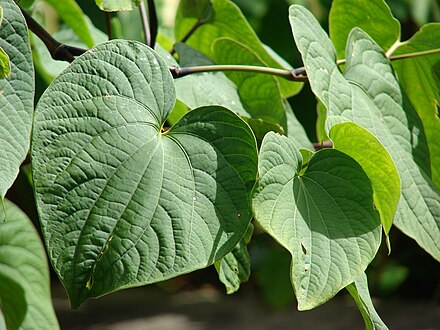
Have you heard of Kava and wondered about its potential health benefits? Let’s dive into the world of this unique plant and explore the science behind its use.
What is Kava?
Kava, also known as Piper methysticum, is a plant native to the South Pacific islands. The root of the kava plant has been used for centuries by Pacific Island cultures for its sedative and anesthetic properties.
How Does Kava Work?
Kava contains compounds called kavalactones, which are believed to be responsible for its calming effects. These compounds interact with neurotransmitters in the brain, such as GABA and dopamine, to promote relaxation and reduce anxiety.
What are the Health Benefits of Kava?
Research has shown that kava may offer several health benefits, including:
- Reducing anxiety: Kava has been used traditionally to help alleviate symptoms of anxiety and stress.
- Improving sleep: The sedative properties of kava may help promote better sleep quality.
- Relieving pain: In some cultures, Kava has been used as a natural pain reliever.
- Supporting mental health: Some studies suggest that kava may have potential benefits for conditions like depression and PTSD.
Are There Any Risks?
While kava has been used safely for centuries in traditional medicine, there have been reports of liver toxicity associated with its use. It’s important to consult with a healthcare provider before using kava, especially if you have liver problems or are taking medications that affect the liver.
Overall, kava is a fascinating plant with a long history of traditional use and potential health benefits. As with any herbal supplement, it’s essential to use caution and seek guidance from a healthcare professional before incorporating it into your wellness routine.
Kava or kava kava (Piper methysticum: Latin ‘pepper’ and Latinized Greek ‘intoxicating’) is a crop of the Pacific Islands.[1] The name kava is from Tongan and Marquesan, meaning ‘bitter’;[1] other names for kava include ʻawa (Hawaiʻi),[2] ʻava (Samoa), yaqona or yagona (Fiji),[3] sakau (Pohnpei),[4] Seka (Kosrae),[5] and malok or malogu (parts of Vanuatu).[6] Kava is consumed for its sedating effects throughout the Pacific Ocean cultures of Polynesia, including Hawaii and Vanuatu, Melanesia, some parts of Micronesia, such as Pohnpei and Kosrae, and the Philippines.
The root of the plant is used to produce a drink with sedative, anesthetic, and euphoriant properties. Its active ingredients are called kavalactones.[7] A 2003 systematic review concluded it had a small effect for treating short-term anxiety.[8]
 EJADA
EJADA 
Leave a comment