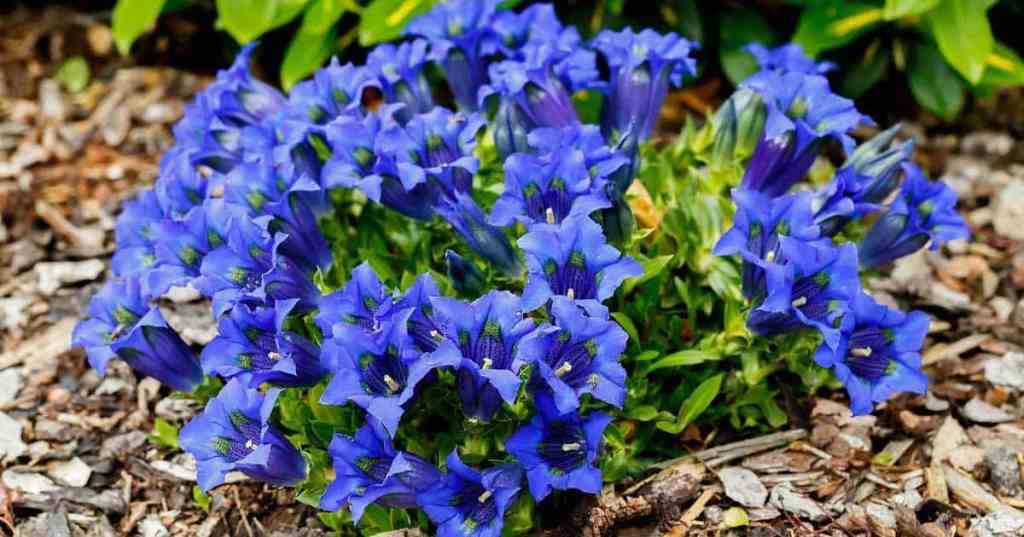
Gentian
“Gentian liqueur origins are disputed, with the first mentions of production being from the 1600’s in Bavaria, Germany. In Germany, the liqueur is referred to as “Enzian” (the German word for “gentian”). Enzianbrennerei Grassl in Berchtesgaden, the gentian plant.” Gentian
Gentian is a flowering plant known for its vibrant blue or purple flowers. But did you know that this plant also has medicinal properties that have been used for centuries? In this blog post, we will explore what gentian is and how it is used in various applications.
What is Gentian?
Gentian, scientifically known as Gentiana, is a genus of flowering plants that belong to the Gentianaceae family. There are over 400 species of gentian, with the most common species being Gentiana lutea. The plant is native to Europe, Asia, and the Americas.
How is Gentian Used?
Gentian has a long history of being used in traditional medicine due to its bitter taste and potential health benefits. The roots of the gentian plant contain compounds known as gentiopicrin and amarogentin, which are believed to have digestive and appetite-stimulating properties.
One of the most common uses of gentian is in herbal remedies and supplements. It is often used to improve digestion, stimulate appetite, and alleviate symptoms of indigestion. Gentian is also used in the production of bitters, which are alcoholic beverages infused with herbs and spices to aid digestion.
Additionally, gentian is sometimes used in the production of alcoholic beverages, such as vermouth and gin, to add a bitter flavor profile. In the cosmetic industry, gentian extract is used in skincare products for its antioxidant properties.
Conclusion
In conclusion, gentian is a versatile plant with various uses in traditional medicine, herbal remedies, and the food and beverage industry. Its bitter compounds make it a valuable ingredient for promoting digestion and overall well-being. Whether you are looking to improve your digestive health or add a unique flavor to your cocktails, gentian may be worth exploring further.
 EJADA
EJADA 
Leave a comment