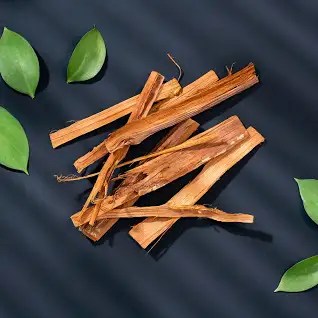
Have you heard of Cat’s Claw? This unique plant, also known as Uncaria Tomentosa, is a popular herbal remedy used in various countries around the world. Let’s delve into what Cat’s Claw is and which countries frequently use it.
What is Cat’s Claw?
Cat’s Claw is a woody vine native to the Amazon rainforest and other tropical areas of South and Central America. It has been used for centuries in traditional medicine for its potential health benefits. The plant gets its name from the hook-like thorns that resemble a cat’s claw.
Which Countries Use Cat’s Claw Frequently?
Several countries have incorporated Cat’s Claw into their traditional medicine practices. Peru, in particular, is known for its extensive use of Cat’s Claw. The indigenous people of Peru have long used this plant for its potential immune-boosting properties and to support overall health.
In addition to Peru, countries like Brazil and Colombia also utilize Cat’s Claw in their traditional medicine systems. The plant’s popularity has spread beyond South America, with herbalists and health enthusiasts around the world incorporating it into their wellness routines.
Research on Cat’s Claw is ongoing, with studies exploring its potential anti-inflammatory, antioxidant, and immune-modulating effects. While more research is needed to fully understand the plant’s mechanisms of action, its long history of traditional use speaks to its potential health benefits.
Whether you’re interested in exploring natural remedies or simply curious about traditional medicine practices, Cat’s Claw is a fascinating plant with a rich history. Consider incorporating this herbal remedy into your wellness routine under the guidance of a healthcare professional familiar with herbal medicine.
 EJADA
EJADA 
Leave a comment