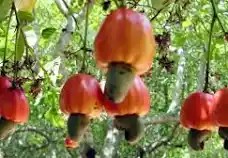
Cajueiro, scientifically known as Anacardium occidentale, is a tropical tree native to Brazil. It is commonly referred to as the cashew tree due to its production of cashew nuts. However, Cajueiro is much more than just a source of nuts. Let’s delve into what Cajueiro is and where it is predominantly used.
What are the key characteristics of Cajueiro?
Cajueiro is a medium-sized evergreen tree that can reach heights of up to 12 meters. It has a distinctive canopy with glossy, elliptical leaves and small pink flowers. The cashew nut, which is actually the seed of the cashew apple, grows at the end of a fleshy, pear-shaped fruit. The nut itself is surrounded by a toxic shell that must be carefully removed before consumption.
Where is Cajueiro primarily found?
Cajueiro is predominantly found in tropical regions with a warm and humid climate. Brazil is the largest producer of cashew nuts in the world, with the northeastern region of the country being a key cultivation area for Cajueiro. Other countries where Cajueiro is commonly grown include India, Vietnam, and Nigeria.
How is Cajueiro Utilized?
Every part of the Cajueiro tree is utilized in some way. The cashew nut is a popular snack and ingredient in various dishes, while the cashew apple can be consumed fresh or used to make juices, jams, and alcoholic beverages. The wood of the Cajueiro tree is also valuable and used in construction, furniture making, and as fuel.
In addition to its economic importance, Cajueiro also has cultural significance in many regions where it is grown. The tree is often celebrated in festivals and traditional ceremonies, highlighting its role in the local communities.
Overall, Cajueiro is a versatile and valuable tree with a wide range of uses. From its nutritious nuts to its durable wood, Cajueiro plays a significant role in various industries and cultures around the world.
 EJADA
EJADA 
Leave a comment